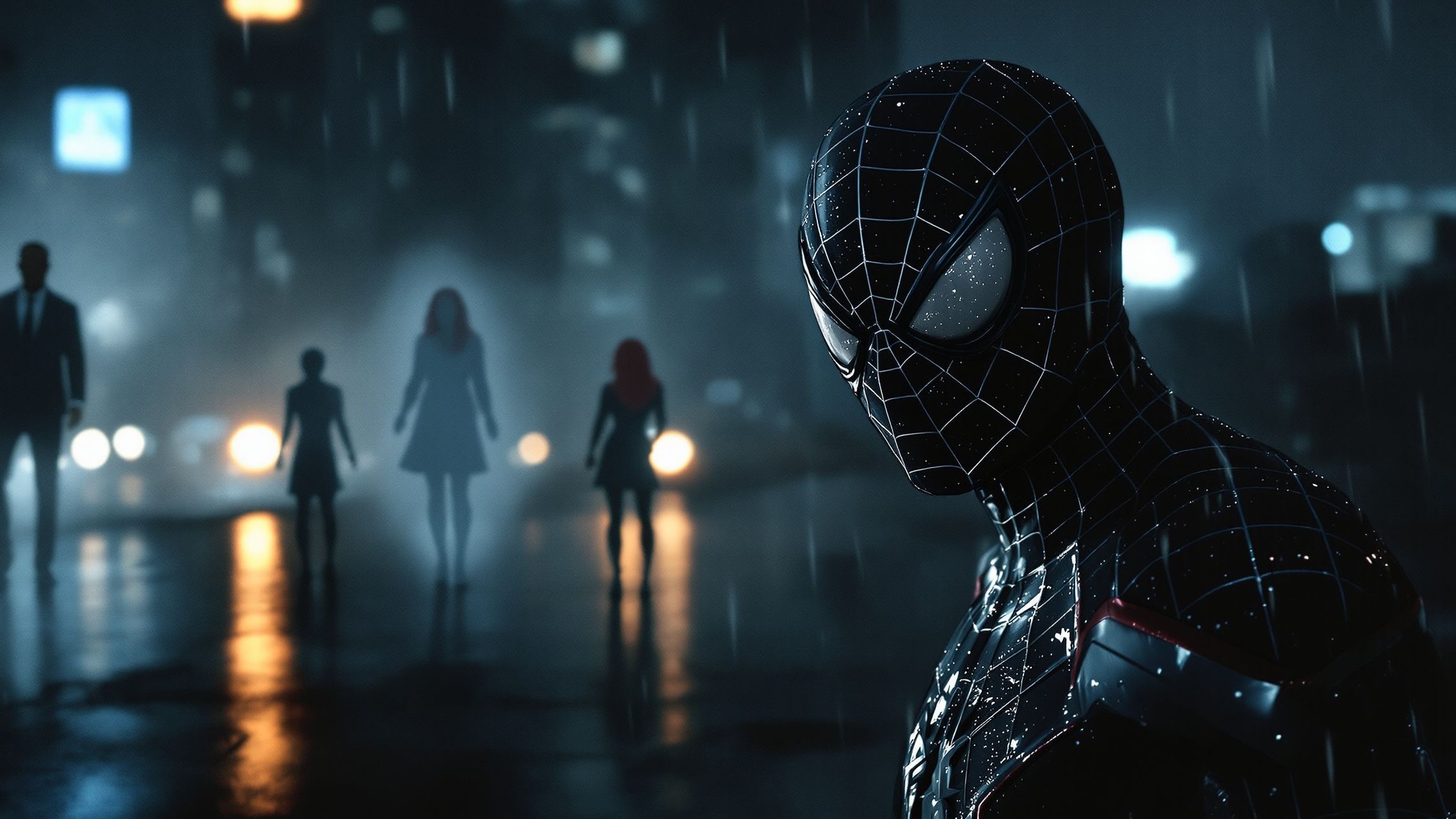
Spider-Man is not just a hero defined by strength or agility, but by the quiet, persistent weight of loss that follows him everywhere he goes. Behind the mask of Peter Parker is a life shaped by grief, sacrifice, and the constant echo of moments he wishes he could change. His story is not one of simple victories, but of enduring heartbreak and choosing to keep going anyway. Every swing through the city carries the memory of someone he couldn’t save, and every battle is fueled by a promise he refuses to break. What makes Spider-Man unforgettable is not just what he fights against, but what he carries with him. These are the ten most devastating losses in his life, each one leaving a mark that never truly fades.
The Death of Uncle Ben
Everything in Peter Parker’s life changes the moment he loses Uncle Ben. Before that night, Peter is a teenager with extraordinary powers and ordinary frustrations, unsure of how to use what he’s been given. When he allows a thief to escape because he believes it isn’t his responsibility, he unknowingly sets in motion the tragedy that defines his life. The same man later kills Uncle Ben, and Peter is left with a realization that cuts deeper than any wound. This loss becomes the foundation of Spider-Man’s identity, teaching him that power cannot exist without responsibility. Uncle Ben’s death is not just something that happened in the past, but something that lives in every decision Peter makes moving forward, a constant reminder of the cost of inaction.
Gwen Stacy’s Fall
Gwen Stacy represents a time in Peter’s life when things still felt hopeful and full of possibility, a love that seemed untouched by the chaos surrounding him. Her death is one of the most heartbreaking moments in his story, not just because of how sudden it is, but because of how close he comes to saving her. When she falls and he catches her with his web, there is a brief moment where it seems like everything will be okay, but the reality that follows is devastating. This loss teaches Peter that even when he does everything right, the outcome can still be tragic. It marks the end of innocence and replaces it with a heavy understanding that being Spider-Man means living with consequences that cannot always be undone.
Losing Mary Jane Again and Again
Mary Jane Watson is the person who brings light into Peter’s life, offering him a glimpse of what normalcy and happiness could look like. She understands him in a way few others can, standing beside him even when his life becomes overwhelming. Yet time and time again, he loses her in different ways, whether through distance, circumstance, or choices that force him to put others before himself. Each loss feels different, but they all carry the same message that Spider-Man’s life is not one that easily allows for lasting happiness. The more he reaches for love, the more fragile it becomes, and the harder it is to hold onto something that feels just out of reach.
The Loss and Fragility of Aunt May
Aunt May is more than just family to Peter, she is his sense of home, the person who provides warmth and stability in a life that rarely offers either. After losing so much, she becomes the one constant he can rely on, someone who believes in him even when he doubts himself. When her life is threatened or taken from him in various stories, Peter is faced with a kind of helplessness he cannot fight his way out of. He can face villains and danger, but he cannot control the fragile nature of life itself. This loss hits him in a deeply personal way, forcing him to confront the limits of his abilities and the reality that some things are beyond his control.
The Identity Crisis of the Clone Saga
One of the most unsettling losses Peter experiences is not of a person, but of his own sense of identity. During the Clone Saga, he is confronted with the possibility that he may not be the original Peter Parker, that his memories and experiences might belong to someone else. This revelation shakes him to his core, creating a sense of uncertainty that lingers long after the truth is revealed. The idea that his entire life could be built on something unstable forces him to question everything he thought he knew about himself. Even when clarity returns, the emotional impact remains, leaving him with a deeper understanding of how fragile identity can be.
The Death of Captain Stacy
Captain George Stacy is one of the few authority figures who sees Spider-Man as a hero, someone who understands the weight of responsibility that Peter carries. His death during a battle, while saving a child, is both noble and tragic, leaving Peter with a final request to protect Gwen. This promise becomes a heavy burden, one that he takes seriously but ultimately cannot fulfill. When Gwen later dies, the memory of Captain Stacy’s trust and belief in him becomes another source of pain, reinforcing the idea that even the best intentions can fall short in the face of tragedy.
Harry Osborn’s Downfall
Harry Osborn is not just a friend to Peter, but someone who shares a deep and complicated bond with him, shaped by their experiences and struggles. Watching Harry fall into darkness and take on the identity of a villain is a different kind of loss, one that unfolds slowly and painfully. It is not a single moment of tragedy, but a gradual transformation that Peter is powerless to stop. The pain comes not just from what Harry becomes, but from the realization that friendship and loyalty are not always enough to save someone. In many versions of the story, Harry’s eventual fate only deepens this sense of loss, leaving Peter with memories of who he used to be.
The Life He Could Have Had
Peter Parker’s losses are not limited to people, but extend to the life he might have lived if he had never become Spider-Man. He is intelligent, driven, and capable of achieving great things, yet his responsibilities constantly pull him away from opportunities that could have shaped a different future. Careers fall apart, financial stability remains out of reach, and personal relationships suffer under the weight of his double life. This ongoing sacrifice creates a quiet, lingering grief, one that does not come from a single event but from a pattern of missed chances and unrealized potential.
The Death of Ben Reilly
Ben Reilly represents a reflection of Peter himself, a version of him that carries the same memories and struggles but walks a slightly different path. When Ben steps into the role of a hero, he becomes more than just a duplicate, he becomes a symbol of what Peter could have been. His death is not just the loss of another person, but the loss of that alternate possibility, a reminder that even the paths not taken can carry emotional weight. For Peter, it feels like losing a part of himself, something deeply personal and difficult to fully process.
The Endless Burden of Responsibility
The greatest loss Spider-Man experiences is one that never truly ends, the loss of a normal life. Every decision he makes is shaped by the knowledge that someone else might need his help, that walking away is never truly an option. This constant sense of duty takes a toll on every aspect of his life, from relationships to personal happiness. It is not a loss tied to a single moment, but an ongoing reality that defines who he is. Despite this, Peter continues to choose responsibility, not because it is easy, but because he knows what happens when he doesn’t.
Final Thoughts: A Hero Defined by What He Endures
Spider-Man’s story is powerful not because of the battles he wins, but because of the losses he carries and the strength it takes to keep going. Each moment of heartbreak shapes him into someone who understands the value of every life, someone who refuses to give up even when the weight becomes overwhelming. He is not perfect, and he does not always succeed, but that is what makes him human. In a world filled with extraordinary heroes, Spider-Man stands out because of his resilience, because no matter how much he loses, he always finds a way to rise again.