
Action cinema has always been a mirror reflecting what audiences crave: strength, rebellion, justice, resilience, spectacle. Yet every so often, a character emerges who does more than entertain. They alter tone, reshape genre expectations, influence filmmaking techniques, and redefine what heroism looks like on screen. These action heroes didn’t simply headline blockbusters — they changed the language of cinema.
The Warrior of Trauma: John Rambo
When First Blood arrived, action films were dominated by invincible titans mowing through faceless threats. John Rambo disrupted that template. Beneath the survivalist grit and explosive retaliation lived something new: psychological depth. Rambo was not merely a soldier; he was a walking embodiment of post-war trauma, alienation, and suppressed rage. His violence carried emotional context, transforming action from pure spectacle into character-driven tension. The film slowed pacing, allowing dread and empathy to simmer. Audiences weren’t just thrilled — they were unsettled, reflective. Rambo introduced the concept that action heroes could be wounded souls, their battles internal as much as external. Decades later, echoes of that complexity appear in brooding antiheroes and morally conflicted protagonists across genres.
The Reluctant Survivor: John McClane
John McClane in Die Hard felt revolutionary precisely because he didn’t. He wasn’t sculpted like myth; he was exhausted, sarcastic, terrified, bleeding. McClane redefined action heroism through vulnerability. He stumbled, panicked, improvised, and endured rather than dominated. Humor became inseparable from danger. This tonal fusion — tension laced with wit — reshaped blockbuster storytelling. The “everyday hero in extraordinary circumstances” became a dominant archetype, spawning countless imitators. Structurally, Die Hard created a blueprint still studied today: confined setting, escalating stakes, cat-and-mouse pacing. McClane taught cinema that relatability amplifies suspense. When heroes sweat, audiences lean forward.
The Machine with a Heart: The T-800
Few cinematic transformations rival the T-800’s journey from relentless villain in The Terminator to protective hero in Terminator 2: Judgment Day. This reversal challenged rigid moral binaries in action films. A character once defined by terror evolved into a figure of sacrifice and unexpected tenderness. The emotional resonance of a machine learning humanity expanded the genre’s philosophical reach. At the same time, the film revolutionized visual effects, blending CGI with practical stunts in ways that permanently elevated audience expectations. The T-800 proved that action spectacles could deliver genuine pathos. Explosions no longer needed to drown emotion; they could frame it.
The Kinetic Philosopher: Bruce Lee
Bruce Lee didn’t just star in action films — he rewrote their physical vocabulary. In Enter the Dragon, movement became narrative poetry. Speed, precision, rhythm, and spatial choreography replaced clumsy brawling. Lee fused philosophy with ferocity, elegance with lethality. Hollywood absorbed Eastern action aesthetics, influencing everything from fight choreography to camera movement. His presence shattered cultural barriers and broadened global cinematic exchange. Action heroes were no longer defined solely by brute force; grace, discipline, and fluidity became equally compelling. Modern action cinema’s obsession with kinetic authenticity traces unmistakably back to Lee’s impact.
The Archaeologist Adventurer: Indiana Jones
Indiana Jones sprinted into cinema carrying a fedora, a whip, and a radical tonal blend. Raiders of the Lost Ark fused old-school serial adventure with modern pacing, humor, and stunt work. Indy wasn’t invincible; he was resourceful, frightened, often outmatched. He bled, improvised, and survived by wit as much as courage. The character revived swashbuckling spectacle for contemporary audiences, influencing editing rhythms, practical stunt choreography, and blockbuster tone. Adventure films rediscovered joy. Action could be exhilarating without abandoning charm, romance, or playful peril.
The Cyberpunk Messiah: Neo
With The Matrix, Neo became the face of a cinematic paradigm shift. The character embodied a fusion of philosophy, cyberpunk aesthetics, and revolutionary action design. “Bullet time” altered visual grammar. Wire-fu choreography merged Eastern martial arts with Western sci-fi. Reality itself became negotiable. Neo redefined the action hero as both digital warrior and existential seeker. Spectacle gained intellectual intrigue. The film’s influence rippled across genres, advertising, video games, and visual effects. Action cinema entered the age of stylized physics and metaphysical stakes.
The Elegant Assassin: John Wick
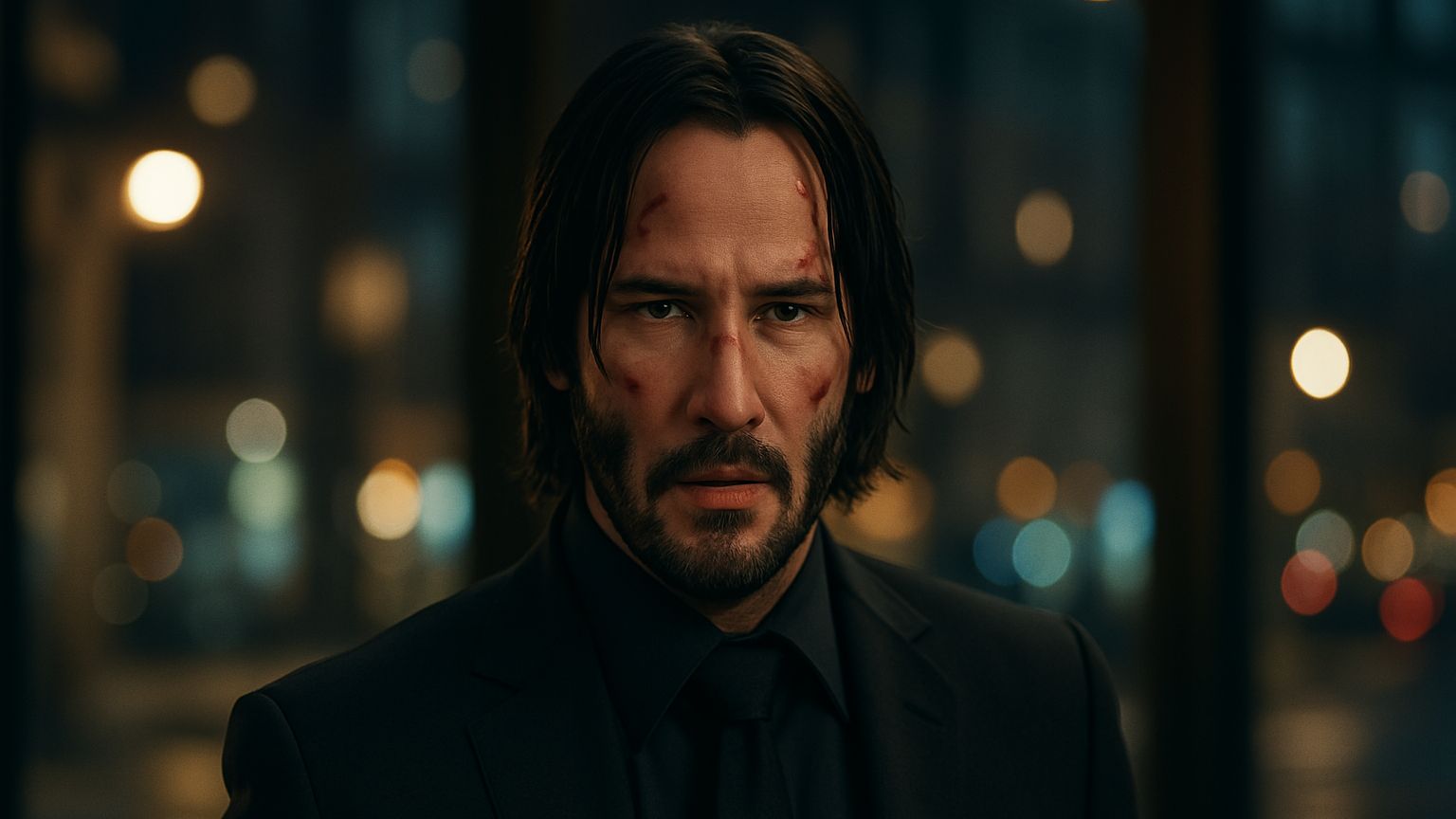
John Wick glided into theaters and reminded cinema that precision can be more thrilling than chaos. His world emphasized choreography, rhythm, and spatial clarity. Violence became balletic rather than frenetic. Long takes replaced hyperactive editing. Gun-fu emerged as an art form. Wick’s quiet grief, ritualistic code, and relentless efficiency revived reverence for practical stunt work. In an era saturated with CGI spectacle, John Wick re-centered physical performance and disciplined choreography. The result was a renaissance of tactile, grounded action filmmaking.
The Warrior of Fury: Furiosa
Imperator Furiosa in Mad Max: Fury Road detonated outdated assumptions about gender and heroism in action cinema. She was not a sidekick, love interest, or symbolic figure — she was the engine of narrative momentum. Furiosa’s strength carried emotional gravity, moral conviction, and physical ferocity. The film’s relentless visual storytelling — minimal exposition, maximal kinetic expression — redefined pacing and spectacle. Furiosa expanded the definition of the action hero, proving audiences embrace complexity, leadership, and vulnerability regardless of gender. Cinema didn’t just evolve; it recalibrated.
The Spy Who Made Action Feel Real: Jason Bourne
Jason Bourne introduced a new intensity grounded in realism and fragmentation. The Bourne Identity replaced glossy invulnerability with paranoia, confusion, and raw survival instinct. Handheld camerawork, rapid editing, and visceral fight choreography reshaped action aesthetics. Bourne’s amnesia transformed the hero’s journey into a mystery of identity. Espionage thrillers shifted from fantasy elegance to kinetic immediacy. Stakes felt personal, danger unpredictable. Bourne changed how action looked, sounded, and moved.
The Superhero Who Balanced Power and Doubt: Spider-Man
Spider-Man’s cinematic reinvention helped humanize the modern superhero. Beneath the acrobatics and spectacle lived insecurity, humor, responsibility, fear. The character normalized emotional relatability within CGI-driven spectacle. Superheroes became people first, icons second. This tonal balance — awe intertwined with adolescence, comedy, and consequence — helped shape the emotional architecture of contemporary franchise filmmaking. Spider-Man demonstrated that even the most fantastical heroes resonate most when grounded in recognizable humanity.
Why These Heroes Matter
What unites these characters is not their body count, gadgetry, or box office dominance. It is transformation. Each hero shifted something fundamental: tone, pacing, choreography, visual effects, emotional depth, cultural representation, realism, or genre hybridity. They expanded cinematic possibility. Action films became funnier, darker, smarter, more philosophical, more tactile, more human.
Action heroes are often dismissed as vehicles for spectacle, yet their influence runs deeper. They shape editing styles, stunt design, soundscapes, narrative structure, even industry economics. They reflect evolving cultural ideals — strength tempered by vulnerability, power complicated by ethics, heroism infused with doubt. Cinema evolves through disruption. Through characters who feel startlingly new yet instantly iconic. Through heroes who don’t just win battles but redefine them. And somewhere, in a darkened theater, as lights dim and anticipation hums, the next hero waits — ready not only to save the day, but to change movies forever.