
Cartoon characters are the living, breathing essence of animated storytelling—a technicolor fusion of personality, humor, drama, and magic. They come in every shape, size, species, and shade imaginable, from animals who talk to inanimate objects that dance. Unlike live-action characters, cartoon personalities are unbound by physics, time, or reality itself. Their heads can spin, their eyes can bug out, they can flatten like pancakes and bounce back like balloons—and through all the absurdity, they manage to feel incredibly real. What sets cartoon characters apart is their timeless versatility. They’re just as comfortable in the quiet heartwarming moments as they are in explosive slapstick chaos. They teach, they entertain, they provoke thought, and often, they stay with us long after the screen goes black. Whether drawn in crayon, rendered in CGI, or digitally animated frame by frame, cartoon characters are the soul of childhood nostalgia and the heartbeat of family entertainment—and they continue to evolve into something more dynamic, more inclusive, and more culturally powerful than ever before.
The Golden Age Greats: Legends with White Gloves
To understand cartoon characters is to honor their roots. The golden age of animation birthed the giants—Mickey Mouse, Bugs Bunny, Popeye, Betty Boop, and Donald Duck. These characters weren’t just cultural phenomena—they were revolutionary. Mickey was the first to synchronize sound with action in “Steamboat Willie,” opening the door for cartoons to be more than just visual gags. Bugs Bunny, with his smart mouth and clever quips, became a symbol of irreverent wit and American resilience during WWII. These characters shared some interesting traits: rubber hose limbs, white gloves, and a penchant for breaking the fourth wall. They faced adversity with laughter and trickery. They didn’t always win, but they never gave up their personality. That’s what made them stick. A child from the 1940s and a kid from 2025 could both laugh at a Donald Duck tantrum or a Tom and Jerry chase sequence. That’s the power of iconic cartoon characters—they’re timeless and borderless.
Modern Mayhem: The Rise of Edgy and Emotional Icons
As animation matured, so did its characters. The 1990s and early 2000s brought a new wave of cartoons that dared to blend humor with emotion, edge with empathy. Think of characters like SpongeBob SquarePants, who manages to be both naïvely cheerful and strangely profound. His optimism isn’t annoying—it’s heroic. Daria Morgendorffer represented a whole generation of teens alienated by consumerism and conformity. Arnold from Hey Arnold! had a football-shaped head but the heart of a philosopher. The era also gave rise to irreverent yet beloved misfits. Characters like Courage the Cowardly Dog terrified and delighted in equal measure. The Eds of Ed, Edd n Eddy schemed endlessly, only to end up learning unexpected lessons. Cartoons like The Powerpuff Girls or Teen Titans began merging comic-book aesthetics with cartoon absurdity, producing rich character arcs nestled in stylized action. These characters didn’t just entertain—they connected. They whispered comfort in the dark. They became best friends to kids who felt too weird, too quiet, or too lost. And they proved that cartoons could be fun without being hollow.
Animal Instincts: Creatures Who Captured Hearts
From the mischievous cunning of Bugs Bunny to the silent loyalty of Snoopy, animal cartoon characters often embody exaggerated but universal human emotions. Tom and Jerry turned a cat-and-mouse rivalry into an art form of physical comedy. Scooby-Doo brought us lovable cowardice in a dog who could solve mysteries with a mouth full of snacks. Garfield made laziness iconic, turning sarcasm into a lifestyle. Animal characters allow animators to explore themes that would be too heavy in human form. In Zootopia, Judy Hopps breaks species stereotypes in a police force, mirroring real-world conversations on race and identity. In BoJack Horseman, a humanoid horse wrestles with depression, fame, and redemption—often within the same breath as a banana-peel joke. These anthropomorphic beings do more than entertain—they expose us, gently or jarringly, to truths we sometimes ignore in real life.
The Weird, the Wacky, and the Wonderful
Cartoons have always embraced the absurd, and some characters push that to its most creative limits. Think of characters like Ren and Stimpy, whose unhinged antics were equal parts hilarious and horrifying. Or Chowder, whose culinary escapades defy logic in the best ways. Characters like Invader Zim reveled in chaos and alien weirdness, while Adventure Time created an entire post-apocalyptic dreamland where a boy and his magical dog search for meaning, love, and justice. These characters thrive in universes without rules, and their unpredictability is part of the charm. You never know if an episode will end with laughter, tears, or a spontaneous musical number sung by a sentient piece of toast. They stretch the definition of character itself, blending art with abstract storytelling. And through that strangeness, they often say the most profound things. It’s the weird ones who sometimes hold the mirror up to our deepest questions.
Everyday Heroes and Relatable Rebels
Cartoons don’t need to be flashy to leave a mark. Some of the most beloved characters are those who live “ordinary” lives with extraordinary heart. Characters like Greg and Wirt from Over the Garden Wall navigate a surreal forest, but their fears and hopes are rooted in family and identity. Craig of the Creek shows kids being kids—negotiating friendships, facing fears, building forts—and still manages to deliver more character development than many prestige dramas. These characters reflect our daily struggles and triumphs. Whether it’s Lincoln Loud managing chaos with his ten sisters, or Steven Universe growing into empathy and leadership, cartoon characters today aren’t just amusing—they’re deeply human. They make mistakes. They say sorry. They learn. And they invite us to do the same.
The Power of Voice: Bringing Characters to Life
Behind every great cartoon character is a voice actor who gives them soul. Mel Blanc, often called “The Man of a Thousand Voices,” created entire personalities with his vocal cords alone—from Daffy Duck to Porky Pig. More recently, actors like Tom Kenny (SpongeBob), Tara Strong (Timmy Turner, Raven), and John DiMaggio (Bender, Jake the Dog) have become legends in their own right, breathing vitality into characters who’ve become household names. The voice is often the most intimate connection we have with a cartoon character. It’s what kids imitate, what adults quote, what echoes in our minds long after the episode ends. A well-performed line can define a character more powerfully than any drawing ever could.
Cartoons That Grew Up With Us
One of the most beautiful things about cartoon characters is how they evolve with us. Shows like Avatar: The Last Airbender and The Legend of Korra started with kids’ audiences in mind but quickly matured into powerful explorations of war, trauma, politics, and identity. Characters like Aang and Zuko experienced some of the most satisfying arcs in animated history, showing that cartoons can be as narratively rich and emotionally complex as any adult series. Even shows that seemed purely comedic, like Gravity Falls, The Owl House, or Amphibia, slowly unfolded into multi-layered stories of growth, loss, love, and sacrifice. These characters age—not always physically, but emotionally. And they help us do the same.
Inclusion, Identity, and Representation
Cartoon characters today are more diverse than ever before. They come from every background, orientation, and identity imaginable. Whether it’s Luz Noceda breaking barriers as a bisexual Latina protagonist in The Owl House, or Kipo in Kipo and the Age of the Wonderbeasts exploring a post-human world while celebrating empathy and inclusion, these characters reflect the real world more than ever. This expansion in representation isn’t a trend—it’s a revolution. Kids and adults alike deserve to see themselves in the characters they love. When that happens, cartoons stop being just entertainment and become powerful tools for validation, education, and healing.
Timelessness in Technicolor
Cartoon characters can be decades old or brand-new, but the best of them never go out of style. Whether it’s a Looney Tunes rerun or a fresh episode of Bluey, the magic still hits. It’s the little things: the glint in a character’s eye before mischief, the perfectly timed reaction shot, the way their voice cracks in a moment of emotion. It’s that uncanny ability to make us laugh after a long day, cry when we least expect it, and believe—if only for 22 minutes—that anything is possible.
Inked in Emotion, Drawn in Time
Cartoon characters aren’t bound by logic or limits. They fly, stretch, shout, and transform—but more importantly, they connect. They carry the weight of our joy, our fears, our innocence, and our rebellion. Whether they live in slapstick sitcoms or serialized sagas, they reflect the messy beauty of being alive. They grow up with us. And we never truly outgrow them. So here’s to the characters who live in lines and laughter. The ones who made you believe your stuffed animals could talk. The ones who helped you survive a hard year. The ones who still make you smile when you’re grown. They’re not just cartoons—they’re companions. Forever animated. Forever ours.
Related Articles

Top 10 Funniest Felix the Cat Gags
Felix the Cat wasn’t just animation’s first superstar—he was the original king of cartoon gags. With a sly grin and endless creativity, he turned his tail into tools, pulled solutions out of thin air, and bent reality like it was made of rubber. These ten hilarious moments showcase Felix at his most inventive, surreal, and side-splittingly funny. Decades later, these gags still hold up as pure cartoon magic.
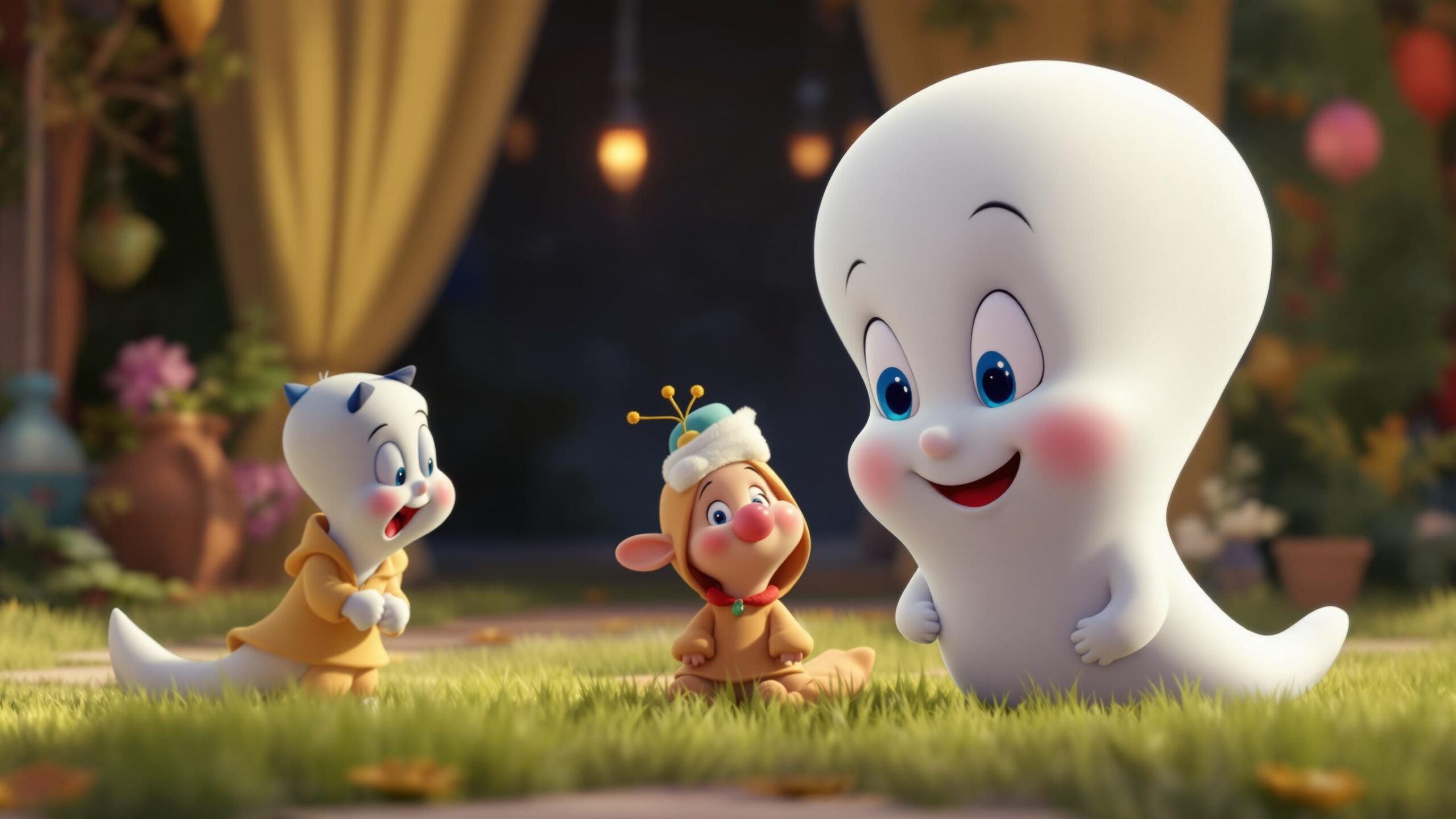
Casper Characters You May Have Forgotten
Casper may be the friendliest ghost you know, but his world was packed with quirky, forgotten characters who brought charm, chaos, and a little mischief to the afterlife. From his tough-talking cousin Spooky to Wendy the Good Little Witch, these lost favorites added heart and humor to every haunted tale. It’s time to float down memory lane and revisit the ghostly gang you may have left behind.
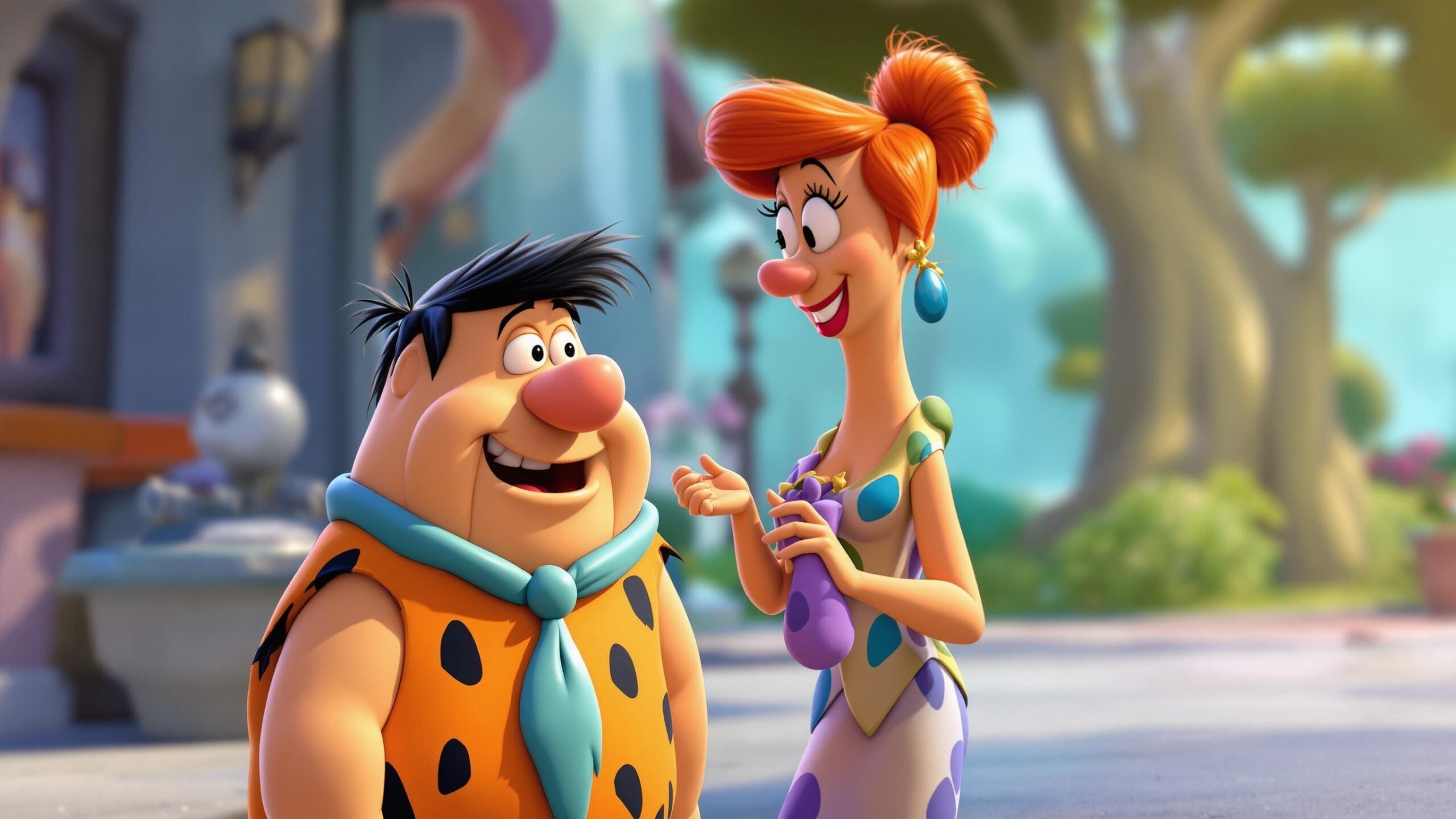
Flintstones Characters You Forgot You Loved
Think you know The Flintstones inside and out? Think again. Sure, you remember Fred and Wilma—but what about Joe Rockhead, The Great Gazoo, or that sarcastic bird who worked your dishwasher? This trip back to Bedrock will dig up all the side characters, pet dinos, and scene-stealing weirdos that made the Stone Age sitcom a timeless classic. Prepare to laugh, remember, and shout “Yabba-dabba-doo!” all over again.