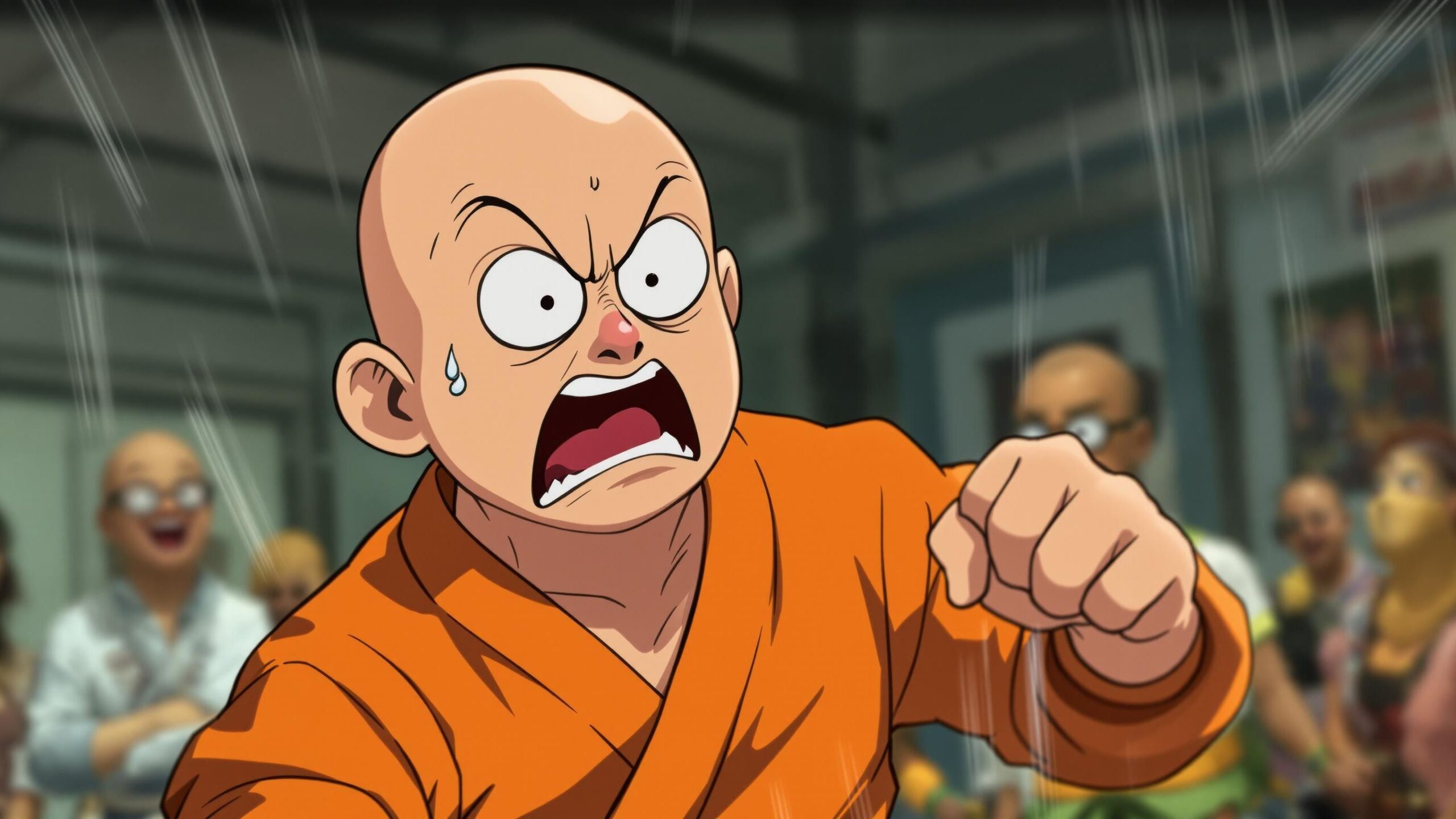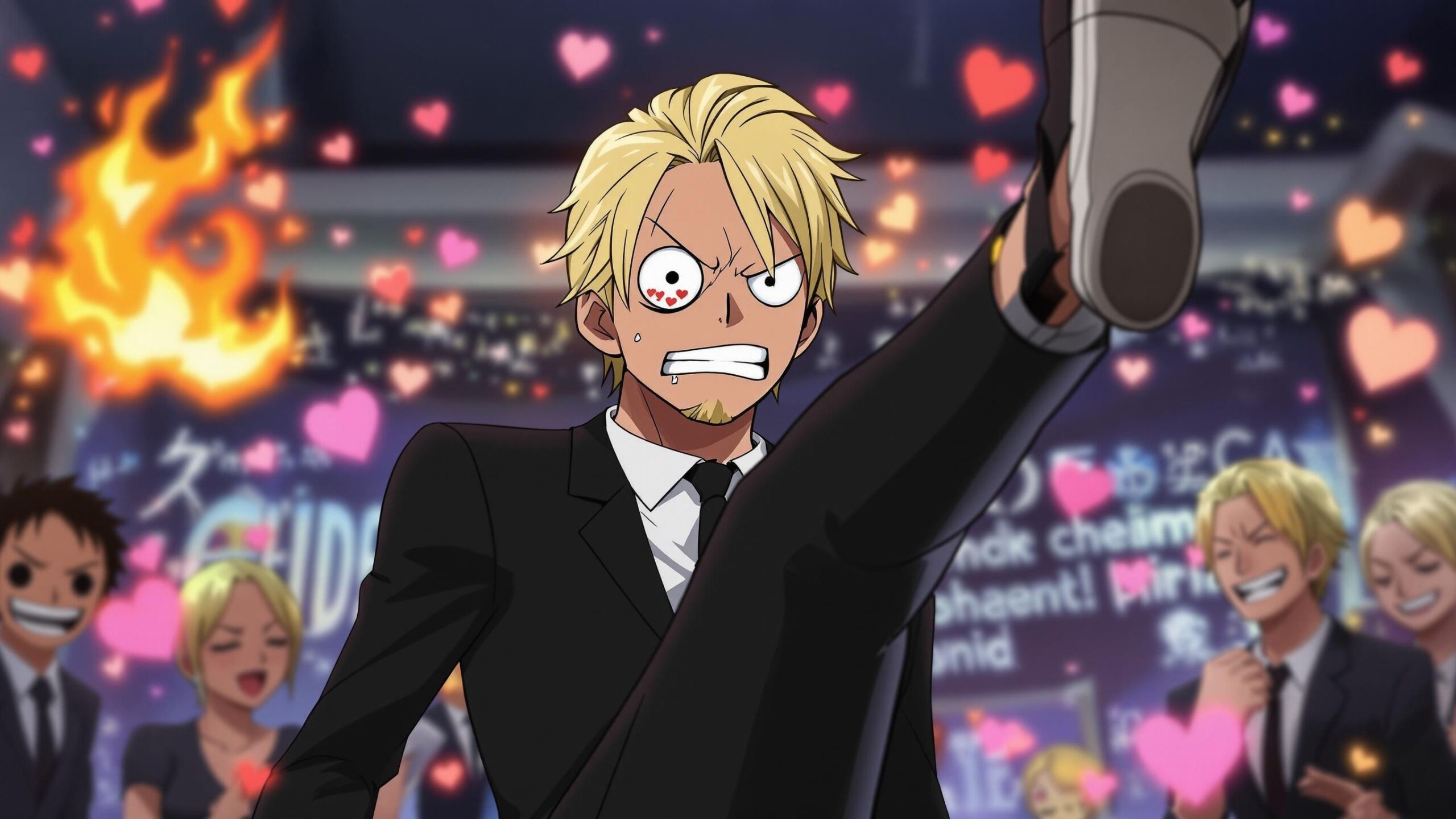

In the world of anime, characters are not just players in a plot—they are living, breathing forces of emotion, power, and imagination. They cry when we cry, soar when we dream, and fight battles that echo our own hidden struggles. These characters transcend language, country, and even genre to become cultural icons, emotional anchors, and, at times, spiritual mirrors. From fierce warriors and tragic philosophers to energetic fools and cunning masterminds, anime characters embody a spectrum of personalities so rich that it often feels as if each one contains a piece of the universe itself. Anime isn’t simply about visual spectacle or exaggerated action—it is about people. Fictional people, yes, but people nonetheless, who reflect parts of us in their laughter, rage, trauma, and triumph. Some of them inspire us to chase dreams. Others help us face our demons. Some leave us shattered, while others become our comfort characters in moments of loneliness. This journey through the vast terrain of anime characters is not a list or a catalog—it’s an invitation to fall in love all over again with the magic that turns drawings into legends.
The Heart of the Underdog
Few things in anime are as emotionally satisfying as watching an underdog rise. These characters often begin their journey powerless, marginalized, or overlooked—only to claw their way up through grit, growth, and pure-hearted tenacity. Whether it’s Naruto Uzumaki determined to earn respect in a village that scorns him, Izuku Midoriya receiving the power of One For All after a life of helplessness, or Tanjiro Kamado fighting demons to protect what’s left of his family, these protagonists make us feel something deep in our bones. They remind us that strength isn’t always a gift; sometimes, it’s a choice made again and again, despite the odds. It’s not just about raw power either—it’s emotional courage. These characters learn to lead, to forgive, and to shoulder burdens far too large for anyone their age. Their journeys are filled with setbacks, heartbreaks, and moments of hopelessness. But through it all, they keep moving forward. That relentless persistence is why we cheer when they win, cry when they fall, and carry their words with us long after the screen goes dark.
Villains, Antiheroes, and the Seduction of Complexity
What makes a great villain? Is it their power, their cruelty, or their ideology? Anime has no shortage of terrifying antagonists, but what makes many of them unforgettable is their depth. Characters like Light Yagami blur the lines between hero and villain with terrifying elegance. His descent into god-complex madness is as mesmerizing as it is horrifying. Then there’s Lelouch vi Britannia—a rebel prince with the mind of a strategist and the heart of a martyr. His war for justice is painted in shades of gray, forcing us to ask where heroism ends and tyranny begins. These complex characters challenge us. They expose the fragile seams of morality, forcing us to question the systems we take for granted. Madara Uchiha speaks with the conviction of a man who has seen peace fail too many times. Pain believes that true harmony can only be born from shared suffering. Even characters like Griffith, whose betrayal in Berserk ranks among the most shocking in anime history, carry a cold logic that disturbs precisely because it makes sense. These villains are not one-dimensional evildoers—they are ideologues, dreamers, and survivors.
The Power of Archetypes and the Joy of Breaking Them
Anime is well-known for its character archetypes: the stoic samurai, the ditsy schoolgirl, the cunning tactician, the comic relief. But where anime truly excels is in how it evolves and deconstructs these templates. Tsundere characters like Taiga Aisaka may begin as prickly fireballs, but gradually reveal immense depth and vulnerability. Kuuderes like Rei Ayanami, often quiet and emotionless at first glance, become profound reflections on identity and alienation. Even the most exaggerated personalities are given moments of humanity. Characters like Vegeta start as egotistical tyrants and slowly transform into family men with honor and pride. The brash, arrogant archetype becomes a character of loyalty and sacrifice. This dynamic layering is what keeps us invested—not just in what a character is, but in who they become. And then there are the shows that blow archetypes to smithereens. Gintama turns tropes into satire while still offering genuine emotional resonance. Madoka Magica takes the innocent magical girl formula and twists it into a tragic metaphysical thriller. Anime characters are never just their labels—they are living entities, always growing, often defying expectation.
Women Who Wield More Than Swords
In the realm of anime, female characters have evolved from damsels and sidekicks into queens, warriors, scientists, and gods. Characters like Mikasa Ackerman are the embodiment of silent strength—loyal, fierce, and hauntingly efficient. Erza Scarlet is a one-woman army, switching armors mid-battle as if it were a fashion show of destruction. But it’s not just about combat. Characters like Motoko Kusanagi from Ghost in the Shell represent philosophical power, leading discussions about identity, consciousness, and what it means to be human. Sailor Moon didn’t just fight evil—she reshaped girlhood itself, showing generations that compassion and glitter could be as powerful as any weapon. San from Princess Mononoke showed us how rage and tenderness could exist in the same breath. These women are icons not because they imitate male heroes, but because they own their identities and stories with breathtaking authenticity.
When Silence Speaks Volumes
There are some anime characters who barely speak, yet remain unforgettable. Levi Ackerman doesn’t need monologues to command a scene—his swift, deadly grace and unwavering sense of duty tell us everything. Kenshin Himura says little, but the weight of his past echoes in every soft smile and sudden sword draw. Characters like these are proof that in anime, presence is power. A look, a gesture, a moment of pause can carry emotional payloads more potent than entire pages of dialogue. These silent types often carry the most internal conflict. Their silence is a canvas on which the story paints with sorrow, honor, and buried pain. And when they do speak—when they finally open their hearts—it lands with the force of a thousand punches.
The Genius of the Comic Relief
Not every anime moment is life-or-death. Sometimes, what we need is laughter—and anime delivers in spades. Characters like Gintoki Sakata turn absurdity into art, parodying other genres while secretly offering some of the most poignant moments in anime. Usopp, the liar of One Piece, provides comic relief through cowardice and tall tales, only to become one of the most emotionally resilient members of the crew. Then there’s Excel from Excel Saga, who practically weaponizes hyperactivity, or Megumin from Konosuba, who only casts one spell but makes it hilariously iconic every single time. These characters add light to heavy stories, and in doing so, they make the dramatic moments hit even harder. Comedy in anime isn’t just about gags—it’s about contrast, timing, and catharsis.
Mascots and Mythical Beasts with Big Hearts
Sometimes the most beloved anime characters aren’t even human. From Totoro’s gentle purring presence to the unwavering loyalty of Pikachu, mascots and animal companions capture the hearts of viewers young and old. They serve as emotional grounding points—often innocent, wise, or mischievously powerful. Spirits like Calcifer from Howl’s Moving Castle or Kyubey from Madoka Magica blend charm with a touch of menace. Creatures like Appa and Momo in Avatar: The Last Airbender (anime-inspired, though not Japanese anime) show that silent loyalty can be just as powerful as spoken words. These non-human characters are more than accessories—they’re pillars of emotional support, narrative catalysts, and fan favorites in their own right.
Romantic Dreamers and Melancholic Hearts
Anime has a special way of portraying love—not always as fireworks and declarations, but as quiet glances, shared umbrellas, and unsent letters. Characters like Kousei Arima and Kaori Miyazono from Your Lie in April paint love as something tender, beautiful, and heart-wrenching. The slow-burn affection between Holo and Kraft Lawrence in Spice and Wolf is filled with teasing, philosophical debates, and economic strategy—proving that love can blossom in the most unexpected contexts. And sometimes, anime takes us to the bitter end. In Clannad, the love between Tomoya and Nagisa is raw, beautiful, and devastating. In Anohana, love lingers long after death. These characters teach us that love is not just about happy endings—it’s about impact, transformation, and memory.
Philosophers in Disguise
Some anime characters challenge not just the plot, but the audience’s worldview. Ginko from Mushishi walks through a world of quiet mysteries, offering gentle insights rather than flashy heroism. L from Death Note is a mental juggernaut wrapped in strange habits, unraveling the truth with icy focus. Characters like Holo from Spice and Wolf, Kino from Kino’s Journey, and Shouya from A Silent Voice pull us into reflections about society, morality, and forgiveness. These characters whisper rather than shout, inviting us to think rather than react. They explore the edges of consciousness, spirituality, and the human psyche with poetic clarity. They’re not here to save the world—they’re here to help us understand it.
Characters Who Change Us
What truly makes an anime character great isn’t their power level, their costume design, or even their voice acting. It’s the connection. When we see ourselves in their flaws, feel hope in their victories, and mourn their losses, they become more than characters. They become companions. Whether it’s the relatable awkwardness of a schoolboy in love, the loneliness of a misunderstood villain, or the triumph of a downtrodden hero, anime characters leave a mark. They make us laugh during hard times. They give us courage when we’re unsure. They validate our pain, our hope, and our dreams. And long after the show ends, they stay with us—whispering reminders that we, too, have the power to grow, to fight, and to live our story boldly.
The Ink That Lives Forever
Anime characters are not just figments of animation; they are carriers of myth, vessels of emotion, and echoes of humanity’s infinite imagination. Their stories unfold in otherworldly landscapes and impossible timelines, yet feel more real than reality at times. From the high-flying battles of shonen titans to the soft-spoken wisdom of wandering sages, every character contributes to a universe that celebrates difference, embraces struggle, and honors the journey of self-discovery. Whether they wield swords, spells, sarcasm, or silence—anime characters remain timeless. They grow with us, challenge us, comfort us, and inspire us. And in the quiet moments between episodes, as we sit in the afterglow of another emotional ride, we realize the truth: these characters didn’t just entertain us—they became a part of us. And that, above all else, is their magic.