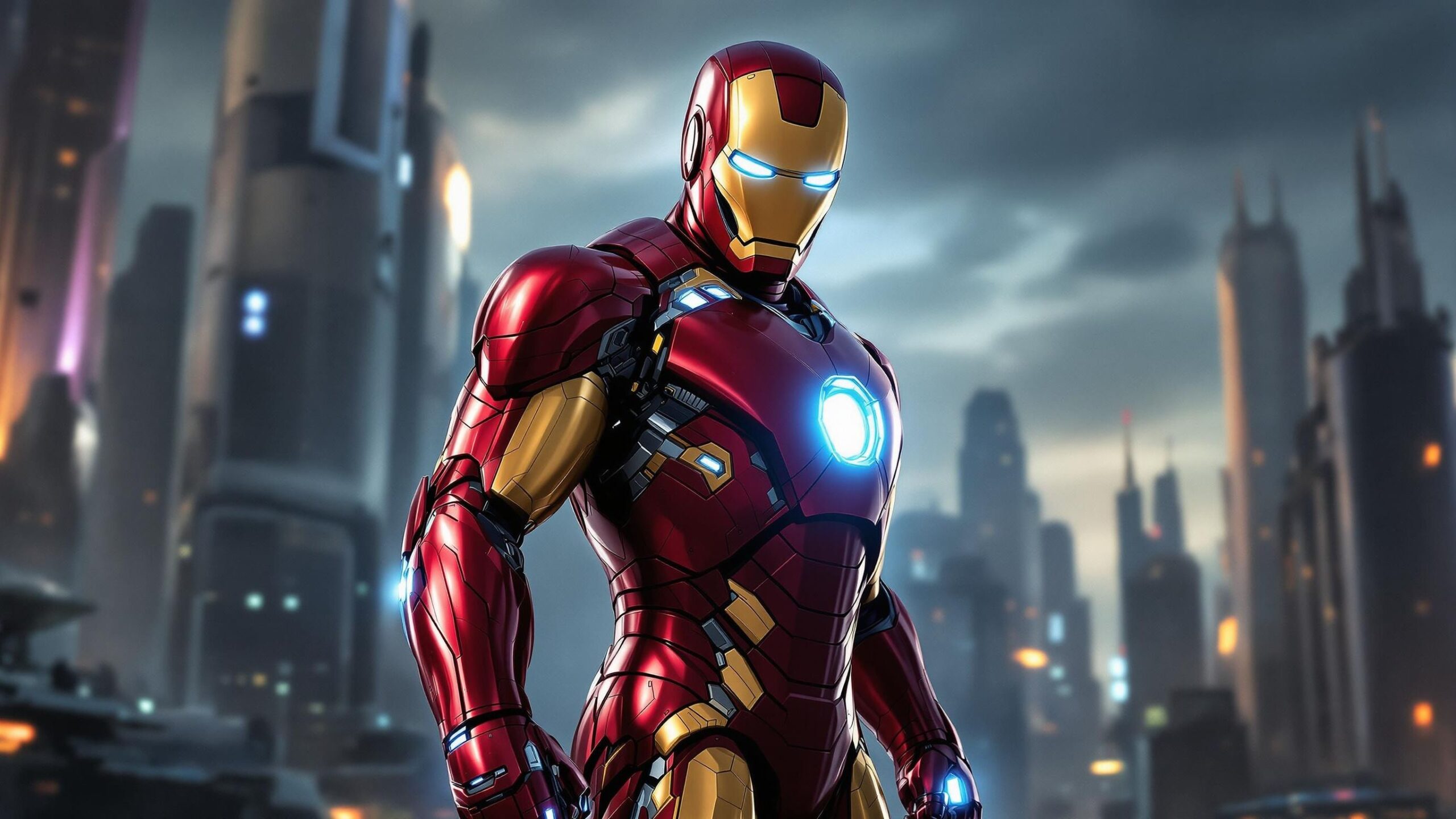
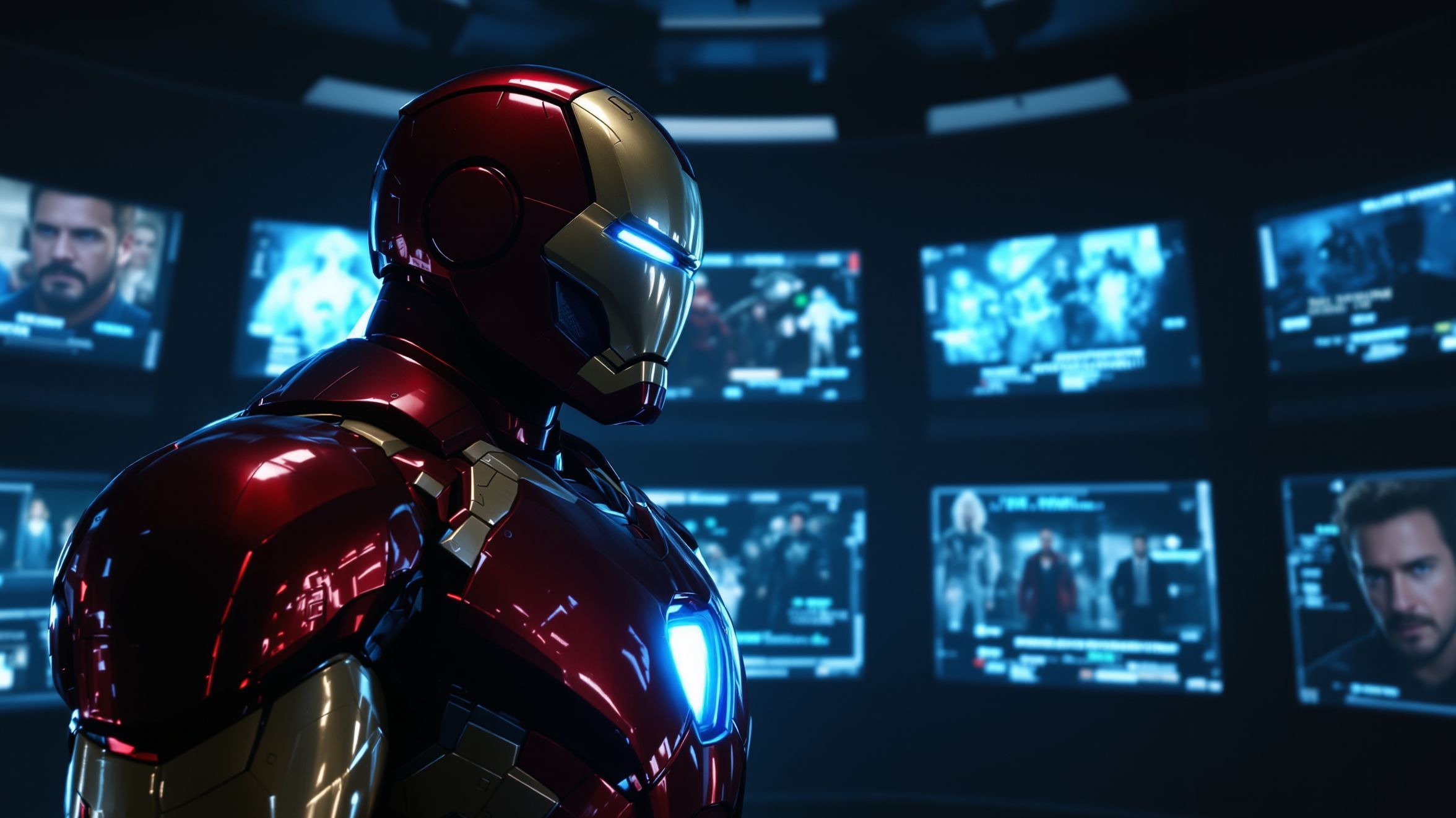
Tony Stark has always walked a razor-thin line between hero and strategist. As Iron Man, he represents innovation, brilliance, and the power of human ingenuity, but beneath the glowing arc reactor lies a man who has made some of the most controversial and ruthless decisions in comic book history. Unlike heroes who rely on instinct or morality alone, Stark often operates on calculation, probability, and long-term consequences. He doesn’t just fight battles—he plans for outcomes, even when those outcomes come at a personal or ethical cost. These moments reveal a version of Iron Man that is not always likable, but undeniably fascinating.
Choosing Sides in the Civil War and Enforcing Registration
One of the most defining and ruthless choices Tony Stark ever made came during the events of Civil War. When the Superhuman Registration Act was introduced, Stark didn’t hesitate to support it. He believed that heroes needed accountability and that unchecked power would only lead to more disaster. While his intentions may have been rooted in logic, the way he enforced this decision revealed a much colder side of his personality. Stark became the face of the pro-registration movement, actively pursuing heroes who refused to comply, including his closest friends. He wasn’t just choosing a side—he was willing to tear apart the superhero community to enforce what he believed was necessary.
Building a Prison in the Negative Zone
As part of his efforts during Civil War, Stark oversaw the creation of a prison in the Negative Zone. This facility was used to detain heroes who refused to register, effectively imprisoning them without traditional legal processes. The decision to place fellow heroes in an off-world prison highlighted just how far Stark was willing to go to maintain control. It wasn’t just a tactical move—it was a moral line crossed. By justifying extreme measures in the name of security, Stark demonstrated a willingness to sacrifice freedom for order, a decision that continues to define his darker legacy.
Cloning Thor Without Consent
In one of the most shocking moves during Civil War, Tony Stark was involved in the creation of a cloned version of Thor, often referred to as Ragnarok. This clone was intended to act as a powerful enforcer for the pro-registration side. However, things quickly spiraled out of control, leading to devastating consequences, including the death of a fellow hero. Stark’s decision to replicate a godlike being without consent was not just ruthless—it was reckless. It showed that his desire to win and maintain control could override ethical boundaries, even when dealing with forces he could not fully understand.
Wiping His Own Mind to Protect Secrets
Tony Stark has always been a man of secrets, but at one point, he took that to an extreme by wiping his own mind. Faced with the risk of sensitive information falling into the wrong hands, Stark chose to erase parts of his memory, sacrificing his own identity and relationships in the process. This decision was ruthless not because it harmed others directly, but because it showed how far he was willing to go to protect what he believed was necessary. He treated his own mind as a tool, something to be altered or discarded if it meant maintaining control over dangerous knowledge.
Creating the Illuminati and Making Decisions in Secret
Tony Stark was a key member of the Illuminati, a group of powerful individuals who made decisions about the fate of the world behind closed doors. While their goal was to prevent global catastrophes, their methods often involved secrecy, manipulation, and unilateral decision-making. Stark’s involvement in this group highlighted his belief that some choices were too important to be left to the public. This mindset, while arguably practical, was also deeply ruthless. It placed immense power in the hands of a few, allowing them to shape the world without accountability.
Supporting the Destruction of Entire Worlds
During the incursions storyline, Stark faced one of the most horrifying dilemmas imaginable: entire universes colliding, with only one able to survive. In these moments, he supported plans that involved destroying entire worlds to save his own. This was not a battle against villains—it was a choice between survival and morality. Stark’s willingness to consider and even support such actions revealed a level of ruthlessness that goes far beyond typical heroism. It forced him into a position where every decision carried unimaginable consequences, and he chose survival, even at the cost of countless lives.
Turning Against Captain America
Few relationships in Marvel Comics are as iconic as the one between Tony Stark and Captain America. Their friendship has endured countless challenges, but during Civil War, Stark turned against him in a very real way. This wasn’t just a disagreement—it became a full-scale conflict. Stark pursued Captain America and his allies, using advanced technology and strategy to outmaneuver them. The emotional weight of this decision cannot be overstated. Stark chose ideology over friendship, proving that when it came to what he believed was right, no relationship was untouchable.
Creating Contingency Plans Against Other Heroes
Tony Stark has always been a planner, and one of his most controversial tendencies is creating contingency plans to neutralize other heroes. While these plans are often justified as precautions, they reveal a deep level of distrust. Stark prepares for the possibility that his allies could become threats, and he ensures that he has the means to stop them if necessary. This approach is undeniably ruthless. It positions him as both protector and potential adversary, blurring the line between hero and overseer.
Becoming Director of S.H.I.E.L.D. and Expanding Surveillance
When Tony Stark became the Director of S.H.I.E.L.D., he gained access to unprecedented levels of power and information. During this time, he expanded surveillance and security measures, often prioritizing safety over privacy. His decisions reflected a belief that knowledge and control were the keys to preventing disaster. However, this also meant placing immense power in his own hands, raising questions about oversight and accountability. Stark’s leadership demonstrated how easily good intentions could lead to authoritarian tendencies when combined with advanced technology.
Manipulating Events for the Greater Good
One of the most defining aspects of Tony Stark’s character is his willingness to manipulate events behind the scenes. Whether it involves guiding outcomes, influencing decisions, or setting plans in motion without others’ knowledge, Stark often operates several steps ahead. He sees the bigger picture and acts accordingly, even if it means deceiving those around him. This approach can lead to positive outcomes, but it also comes with a cost. Trust is eroded, relationships are strained, and Stark becomes increasingly isolated. His belief that he knows what is best for everyone else is both his greatest strength and his most dangerous flaw.
The Complexity of Tony Stark’s Morality
What makes these decisions so compelling is that they are rarely made out of malice. Tony Stark is not a villain, but he is not a traditional hero either. His choices are driven by logic, fear of catastrophic outcomes, and a desire to protect the world at any cost. This creates a version of heroism that is deeply complex and often uncomfortable. Stark’s ruthlessness is not about cruelty—it is about calculation. He is willing to make sacrifices that others would refuse, and that willingness sets him apart.
Why Iron Man’s Ruthlessness Matters
Iron Man’s most ruthless decisions are not just shocking moments—they are reflections of a larger theme within his character. He represents the burden of intelligence and the weight of responsibility. When you have the power to change the world, every decision becomes amplified. Stark’s story is a reminder that power is not just about what you can do, but what you are willing to do. His choices challenge the idea of what it means to be a hero, forcing readers to question whether the ends can ever truly justify the means.
The Legacy of a Brilliant but Flawed Hero
Tony Stark’s legacy is built on innovation, sacrifice, and difficult choices. His ruthless decisions may divide opinions, but they also define what makes him such a compelling character. He is not perfect, and he was never meant to be. Instead, he represents the idea that heroism can be messy, complicated, and sometimes controversial. In the end, Iron Man is not just a symbol of power—he is a reflection of the difficult choices that come with it.