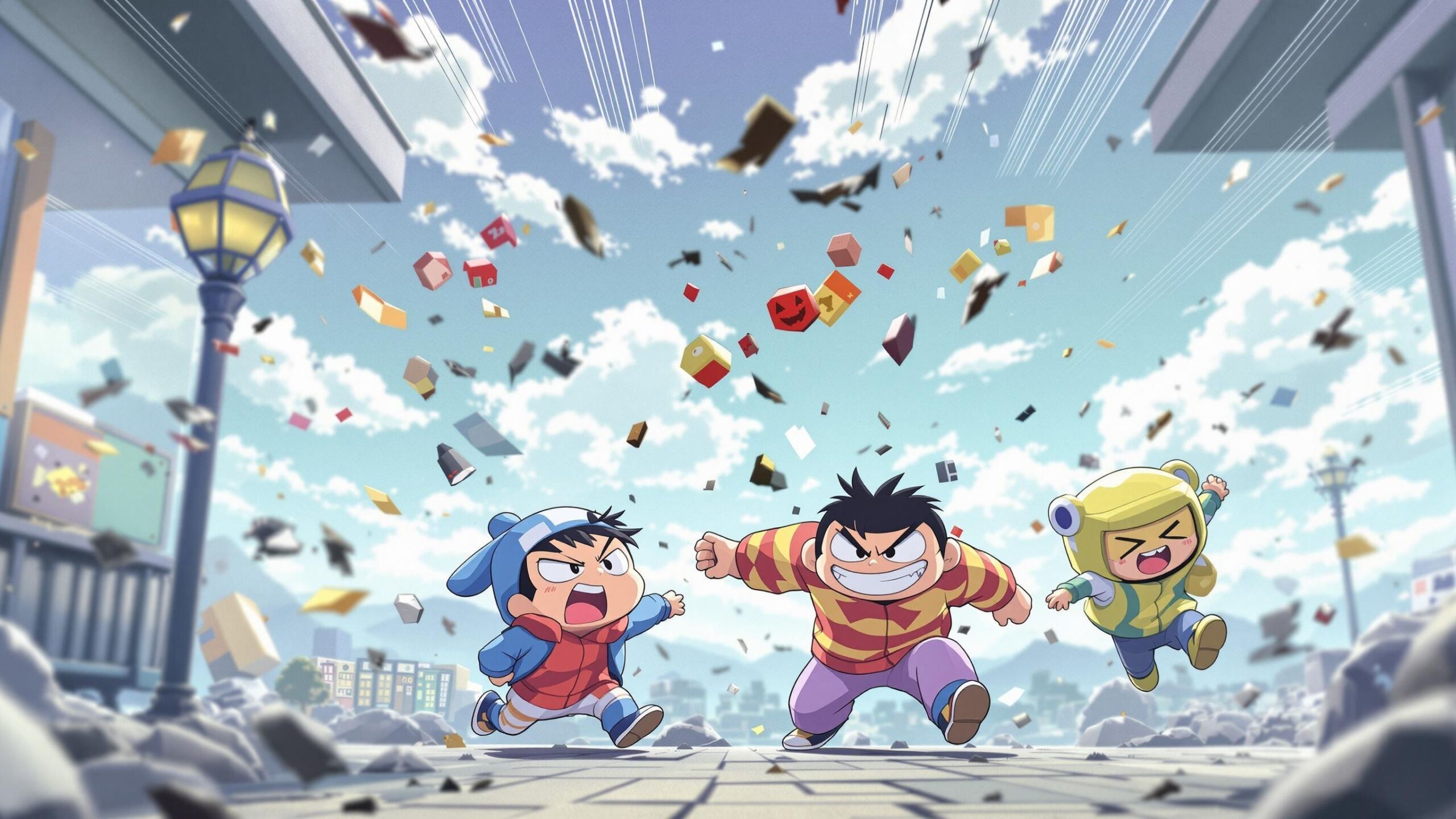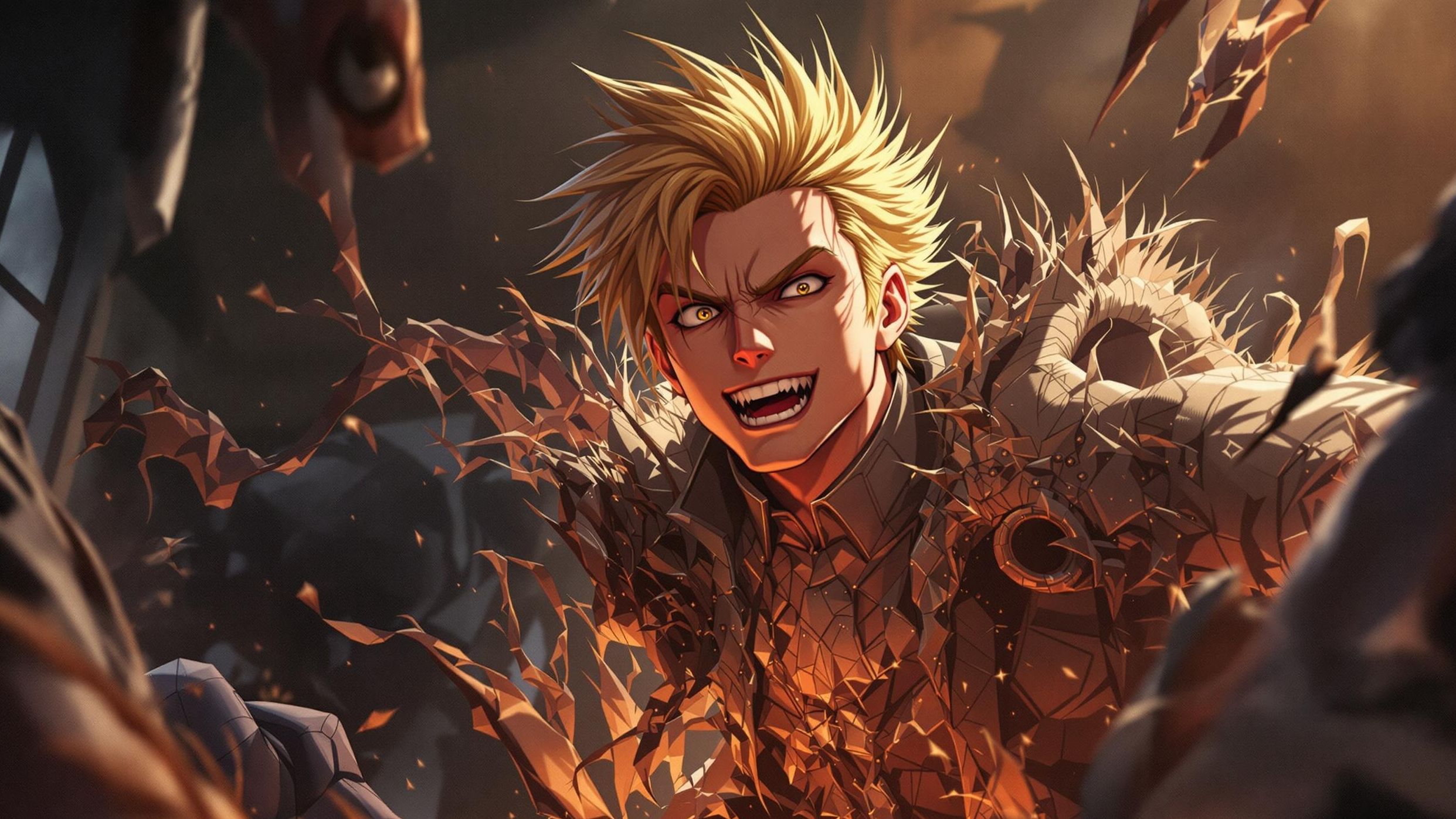

Imagine a world where music slays monsters, fashion is forged for battle, and rhythm isn’t just catchy—it’s deadly. Welcome to the neon-drenched universe of K-pop Demon Hunter, where pop idols don’t just top the charts—they protect the planet. In this genre-bending, dance-fueled world, the glamorous sheen of K-pop collides with supernatural peril, birthing a new kind of hero: a Demon Hunter who sings, slays, and sparkles. The premise is wild, the aesthetic is flawless, and the characters? Let’s just say each one could headline their own tour, save a city from demonic destruction, and still be back in time for a fan meet-and-greet. This is more than a gimmick—K-pop Demon Hunter is a storytelling experience where the choreography is charged with arcane power, and fandom love might just be the secret weapon that tips the scales in humanity’s favor.
The Rise of an Idol Army
The story begins in a Seoul that’s bursting with beauty and danger. After the mysterious “Crimson Surge” opened portals to the underworld, demons began infiltrating the mortal realm, feeding on fear, chaos, and—ironically—apathy. The only force capable of repelling them? Emotional resonance. Enter K-pop idols, whose performances ignite the hearts of millions, channeling energy powerful enough to disrupt demonic auras. To combat the rising tide, secret organizations began recruiting gifted trainees, turning talented performers into warriors of light. These idols-in-training undergo rigorous dual training: one in music, dance, and charisma; the other in martial arts, spiritual resistance, and the sacred art of Song Binding. It’s boot camp meets bootleg mixtape—and not everyone survives. The elite who emerge from this crucible become K-pop Demon Hunters, idols with the power to harmonize soul and spirit, using performance as a weapon and their fandom as a shield. Their stage isn’t just for entertainment—it’s a battlefield.
Aria: The Voice That Shatters Shadows
At the heart of the story is Aria, the mysterious leader of the all-girl demon-fighting idol group ECLIPSE. With silver hair that glows under moonlight and eyes that shift with emotion, Aria is more than a pop star—she’s a living artifact of celestial origin. Found as a child with no memory but an uncanny vocal range, Aria was raised in the Song Temple, where monks trained her in vocal harmonics that could exorcise darkness. Onstage, she’s elegance incarnate—graceful, untouchable, mesmerizing. Offstage, Aria is haunted by questions: Who is she? Why does her voice affect demons more violently than others? And why is the most powerful demon lord of the Crimson Surge obsessed with her? Her signature move, the “Lunar Note Cascade,” sends shockwaves of light energy through spectral frequencies, disintegrating lower demons instantly. Her mic stand doubles as a sacred blade, and when she sings, the earth listens.
KAI: The Blade That Dances
Every powerhouse needs a foil, and for Aria, that’s Kai—lead dancer and combat captain of ECLIPSE. With fire in his eyes and swagger in his step, Kai is the heartbeat of the group, known for choreography so precise it can slice through the air—literally. His technique, called “Rhythm Reaping,” uses rapid high-impact movements to disrupt a demon’s metaphysical cohesion, breaking them down like scratched vinyl. Kai grew up in the underground clubs of Busan, where he blended street dance with martial art techniques to survive. Recruited after a viral video of him fighting off a minor demon during a rooftop cipher, Kai now balances training, fame, and the emotional scars left by a brother who disappeared during the early Surge years. Charismatic, loyal, and a little reckless, Kai often rushes headfirst into danger—usually with a smirk. His signature “Infernal Backstep” move can dismantle demon sigils mid-cast, and his fans call themselves “Rhythm Rebels.”
Minji: Synths, Spells, and Sass
Minji, the group’s resident techno-witch and synth-pop specialist, brings brains, beats, and a whole lot of brilliance. With bubblegum-pink twin buns and glasses that double as HUDs, she’s the one programming backup sigils into songs and tweaking the group’s sound matrix before shows. Her voice is augmented by a custom-built harmonizer that lets her “code” vocal frequencies into protective charms. She’s not just the DJ behind the magic—Minji can summon constructs from speakers and use sound barriers as shields. When the team needs backup, she’s already hacked the local sound grid and rigged the lights to strobe at demon-disrupting intervals. Minji’s journey isn’t without pain. She lost her parents in an early Surge skirmish and found solace in sound engineering and old-school trance music. Her arc explores themes of control, trust, and learning to let others into her meticulously designed world.
Hyunwoo: The Silent Storm
Hyunwoo may be quiet, but he’s the emotional spine of ECLIPSE. A baritone singer with a magnetic presence, his deep resonance channels the “Earth Chorus,” an ancient harmonic energy said to bind ley lines. When Hyunwoo sings, the ground pulses, demons stumble, and silence blooms like thunder. He rarely speaks outside of lyrics, communicating mostly through music and glances. His past is layered in mystery—rumors suggest he once trained as a monk before the Surge hit and was excommunicated for using forbidden resonance techniques. Whatever the truth, he’s here now, anchoring the team with humility, strength, and an unwavering dedication to his members. His solo performances are legendary. When Hyunwoo covers a ballad, even the darkest demon pauses to weep before combusting.
Fandom as Forcefield
K-pop fans aren’t just spectators in this universe—they’re part of the fight. Called LUX, these fans channel positive emotional energy during performances, forming collective resonance fields that the Demon Hunters feed off of. In stadium concerts, thousands of glowing lightsticks become a beacon of humanity’s hope, creating barriers strong enough to repel minor demons. LUX members train in fandom etiquette, harmony chanting, and even minor ward casting. There are underground fan factions, each with specialties—some monitor demonic activity through social media, others intercept corrupted frequencies in music streaming platforms. It’s a world where stanning is literally saving lives. The relationship between idol and fan is symbiotic. The stronger the emotional bond, the more powerful the defense. Betrayal or scandal can shatter trust—and weaken the group’s magical defenses. Emotional honesty is paramount, and performances become both purification rituals and public therapy sessions.
The Rival Band: NIGHTFALL
Every good story needs a rival—and ECLIPSE has one: NIGHTFALL, a shadowy boy group with a brutal sound and a bad reputation. They operate on the fringe of legality, using corrupted resonance and borderline dark magic to fight demons. They claim results justify their methods, but critics accuse them of flirting with the very forces they claim to destroy. Led by Asher, a brooding former monk who split from the Clean Harmony Council, NIGHTFALL’s music is darker, angrier, but undeniably effective. Their hits often chart alongside ECLIPSE, creating both fan wars and backstage tension. But as demonic threats escalate, uneasy alliances may form. Are they enemies—or the only backup worth calling when everything falls apart?
The Sound of Salvation
K-pop Demon Hunter isn’t just action and sparkle—it’s a celebration of emotion, expression, and the raw power of performance. Songs are tailored to the mission. A gentle ballad might heal the wounded. A booming bass drop could tear open a dimensional rift. Lyrics matter. Movement matters. Every hair flip and stage wink carries weight. Training sequences show members learning the ancient art of Note Weaving, where melody becomes mantra. Some learn to summon instruments mid-battle—Minji once called a full synthesizer rig in midair using nothing but reverb and rage. Kai’s dance rehearsals often double as combat simulations. And Aria? Her vocal runs can literally tear apart spectral barriers. Their stylists are also battle-prep specialists, stitching talismans into outfits and embedding sacred patterns in wardrobe choices. Hair dye? Infused with silverleaf for resonance enhancement. Nail polish? Runed with micro-glyphs. It’s glamour meets grimoires in the best way.
Darkness Never Sleeps
Not every moment is a concert. Between gigs, the team investigates surge points, rescues victims, and battles rogue demons in abandoned malls, subway tunnels, and derelict arenas. The tone swings from glamorous idol dramas to gritty street battles, weaving emotional arcs through supernatural chaos. Minji wrestles with her need to control. Hyunwoo opens up—musically first, emotionally later. Kai searches for his brother, uncovering a secret network of rogue hunters. Aria begins dreaming of a world before the Surge—dreams that hint at a deeper truth about her origin and the connection between demons and song. Demons evolve too. They begin mimicking melodies, invading streaming platforms, corrupting music with cursed rhythms. New hybrids emerge—Sirenfiends, Bassbeasts, Echo Shadows. Each more dangerous, each more in sync with the music of Earth. The battle is no longer about repelling darkness—it’s about keeping the world in tune.
Why It All Works
K-pop Demon Hunter works because it understands the emotional core of both K-pop and fantasy. At their heart, both are about transformation. A trainee becomes a star. A misfit becomes a warrior. A note becomes a spell. A fan becomes a savior. It’s about channeling pain into performance, turning trauma into transcendence, and finding beauty in every breakdown beat. It’s also visually electric. Imagine glitter-streaked battle uniforms, stage lights fused with spell circles, earrings that double as charm anchors. The juxtaposition of sequins and swordplay feels fresh, audacious, and empowering. And at its heart, it reminds us: music heals. Performance connects. And in a world torn by darkness, sometimes the most radical act is to stand on a stage, open your soul, and sing anyway.
The Next Act
Whether in anime, webtoon, or game format, K-pop Demon Hunter is built for adaptation. The world is ripe for fan theories, cosplay, soundtrack drops, and crossover ships. You can almost hear the OST: synth-heavy, layered with celestial harmonies and basslines strong enough to banish nightmares. Future arcs could explore international K-pop units, cultural resonance from other traditions, or even demon-influenced idol groups trying to win hearts with corrupted charm. The possibilities are as endless as a Spotify playlist—and just as addictive. One thing’s for sure: as long as demons rise and hearts beat, the stage will never go dark. The lights will flare, the speakers will thrum, and the idols of K-pop Demon Hunter will keep dancing between this world and the next—saving us one note at a time.