
If Cartoon Network characters launched podcasts, the internet would never recover. What started as “just for fun” would quickly spiral into cultural dominance, emotional breakdowns, viral clips, and fandom discourse that refuses to die. Some shows would be comforting and thoughtful. Others would be loud, chaotic disasters that somehow still top the charts. And a few would accidentally become the most influential podcasts of the decade. Because here’s the thing: Cartoon Network characters weren’t just animated personalities. They were built with strong voices, distinct worldviews, and wildly different ways of communicating. Which makes them perfect podcast hosts. Let’s imagine who hosts, what kind of show they’d run, and why you’d either subscribe immediately or listen in secret while pretending you don’t.
The Chaos Comedy Hosts Who Should Not Be Given Microphones
Some Cartoon Network characters thrive on disorder. Give them a microphone, a recording schedule, and an audience, and you’d get comedy gold wrapped in total irresponsibility.
Ed, Edd, and Eddy would host a podcast that starts with a serious business pitch and collapses within minutes. Eddy would constantly interrupt with monetization ideas that make no sense. Edd would try to keep the show educational, citing obscure facts no one asked for. Ed would derail entire episodes by misunderstanding basic concepts. The audio quality would be terrible. The arguments would be constant. And somehow, it would be one of the most quoted podcasts online.
Johnny Bravo would host a solo podcast entirely about confidence, dating, and “self-improvement,” despite being the least self-aware person in the room. He’d give advice no one should follow, interrupt guests to flex, and regularly misinterpret rejection as mystery. Clips would go viral weekly—not because he’s right, but because he’s fascinatingly wrong. People wouldn’t listen for guidance. They’d listen because they can’t look away.
Billy and Mandy would run a three-host podcast that feels like an HR violation from the first minute. Mandy would dominate with brutal honesty, dismantling bad takes without blinking. Grim would oscillate between existential despair and reluctant participation. Billy would ask questions so baffling they somehow become philosophical. Fans would tune in to hear Mandy destroy guests, Grim unravel emotionally, and Billy accidentally say something profound once every few episodes.
Teen Titans Go would host a podcast that refuses to stay on topic. One episode would be about snacks. The next would be a musical. Then suddenly it’s a financial advice show based entirely on vibes. Robin would desperately try to enforce structure while the rest actively sabotage him. Every episode would end in chaos, and yet the fanbase would insist it’s “genius satire.”
The Comfort Podcasts That Feel Like Emotional Safe Spaces
Not every Cartoon Network podcast would be unhinged. Some characters were practically designed to host shows that feel like a warm blanket and an emotional check-in.
Steven would host a podcast centered on feelings, healing, and personal growth. Every episode would begin with gentle curiosity and end with emotional vulnerability. Guests would cry. Steven would cry. Listeners would cry. Somehow, no one would feel embarrassed about it. Therapists would recommend it. People who claim they “don’t like emotional stuff” would still listen religiously.
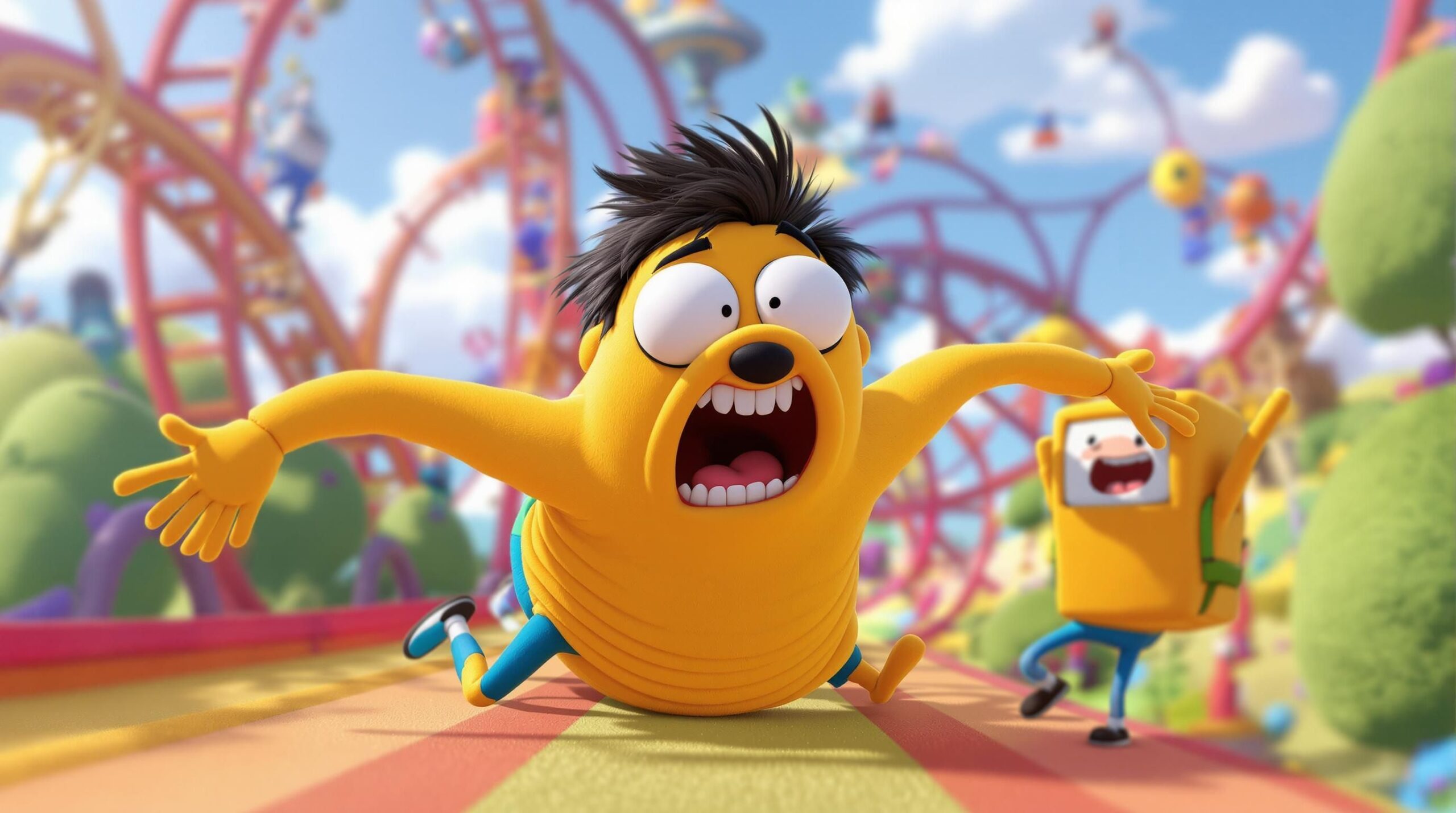
Finn and Jake would co-host a podcast that feels goofy on the surface but sneaks in heavy themes when you least expect it. One minute they’re joking about food. The next they’re discussing loss, identity, and growing up. Finn would ask earnest questions. Jake would offer bizarre metaphors that somehow land emotionally. Episodes would leave listeners laughing and quietly rethinking their lives.
The three bears would host a low-energy, cozy podcast about navigating modern life. Grizz would try to keep things upbeat and engaging. Panda would openly discuss anxiety, social pressure, and awkwardness. Ice Bear would deliver short, perfectly timed lines that feel wiser than they should. It would become a favorite among introverts and people who listen while cleaning or decompressing at night.
Courage would host a horror-themed podcast that’s unexpectedly therapeutic. Episodes would focus on fear, anxiety, and protecting the people you love. Courage wouldn’t talk much, but his reactions would speak volumes. Listeners would come for the spooky stories and stay for the quiet reassurance that fear doesn’t mean weakness.
The Nerds, Strategists, and Overthinkers
Some Cartoon Network characters would treat podcasting like a serious intellectual responsibility. Sometimes too serious.
Dexter would host a science and innovation podcast packed with complex explanations, advanced theories, and zero patience for beginners. He’d explain things brilliantly but forget that most listeners aren’t operating at his level. Dee Dee would interrupt constantly, break equipment, and accidentally make episodes more entertaining than Dexter intended. The fanbase would be split between hardcore enthusiasts and confused casuals.
Samurai Jack would run a minimalist, philosophical podcast. Long pauses. Thoughtful reflections. Discussions about discipline, honor, patience, and purpose. Episodes would be rare, but when one dropped, listeners would treat it like a meditative experience. People would quote entire monologues online.
Ben would start a podcast full of confidence and bravado, talking about power, responsibility, and growing up in the spotlight. Early episodes would be messy and ego-driven. Over time, the podcast would mature alongside him. Gwen would constantly correct him, keeping things grounded, while Grandpa Max would offer wisdom that quietly steals the show.
A Justice League-style group podcast would rotate hosts and topics, focusing on leadership, ethics, and responsibility. Batman would speak rarely, but every comment would hit hard. Flash would talk too much. Wonder Woman would bring perspective and balance. Episodes would feel like structured debates mixed with moments of unexpected humor.
The Cultural Commentary and Trendsetters
Some Cartoon Network podcasts wouldn’t just entertain—they’d dominate social media.
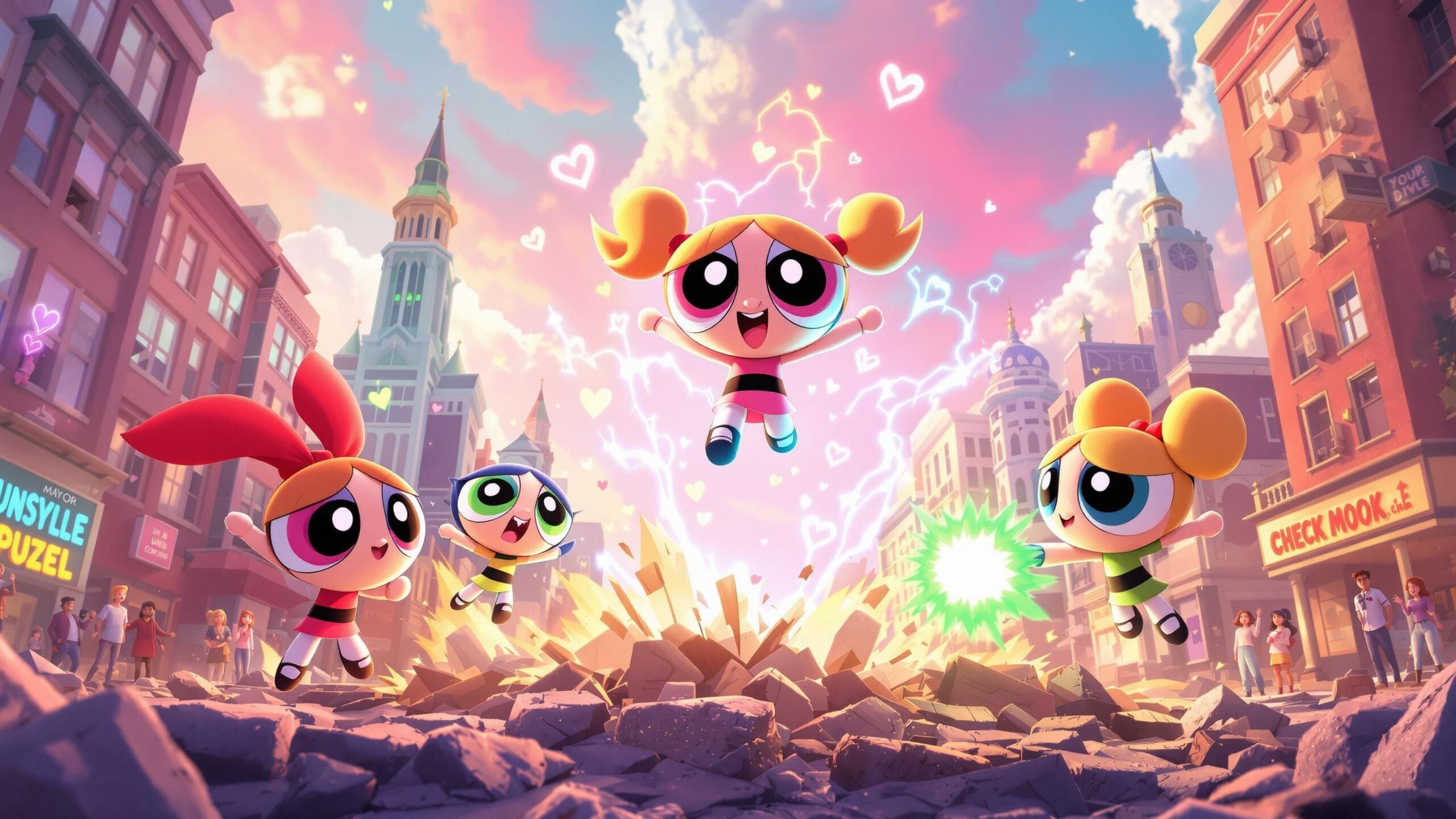
The Powerpuff Girls would co-host a podcast about balancing responsibility, emotions, and personal identity. Blossom would guide discussions thoughtfully. Buttercup would challenge weak arguments. Bubbles would bring emotional insight and empathy. Episodes would seamlessly move from saving the city to processing feelings, and listeners would love the balance.
Totally Spies would run a high-energy podcast blending lifestyle topics with chaos. One episode would cover friendship dynamics. The next would break down a spy mission gone wrong. Fashion, emotions, danger, and humor would all coexist naturally. The show would be chaotic but surprisingly insightful.
Mordecai and Rigby would host a podcast that promises consistency and fails every single time. They’d start episodes late, forget topics, and accidentally trigger supernatural events mid-recording. Somehow, their complete lack of structure would make the podcast wildly relatable. Clips would go viral constantly.
Chowder would host a surreal podcast that defies explanation. Recipes would make no sense. Metaphors would be literal. Conversations would loop back on themselves. No one would fully understand what they just listened to, but fans would quote it endlessly.
The Villains Who Should Absolutely Have Podcasts
Villains would dominate the podcast space in unexpected ways.
Mojo Jojo would host a dramatic, overly verbose podcast dissecting his rivalry with the Powerpuff Girls. Every sentence would be unnecessarily long. Every episode would spiral into a monologue about injustice, ego, and misunderstood genius. Listeners would tune in purely for the absurdity.
Aku would host a theatrical, self-aggrandizing podcast about destiny, chaos, and eternal power. His delivery alone would make it entertaining, even when the content is nonsense. Episodes would feel like dark poetry mixed with villain TED Talks.
Plankton would run a business podcast about entrepreneurship, failure, and perseverance. He’d insist he’s one breakthrough away from success. Listeners would both mock and root for him. Episodes would accidentally become inspiring.
Who Would Be the Biggest Podcast Star?
Steven would win hearts. Johnny Bravo would dominate viral clips. Mandy would terrify guests into honesty. Samurai Jack would inspire think pieces. Mordecai and Rigby would accidentally define a generation’s humor.
And that’s the magic of Cartoon Network characters. They weren’t just funny or powerful. They were distinct voices with clear perspectives. If they had podcasts, they wouldn’t just talk—they’d reveal who they are in the messiness of conversation. Which means the real question isn’t who would host. It’s which one you’d subscribe to without hesitation—and which one you’d listen to while pretending you don’t.